
Foldable Phones: Hype or Game-Changer for Mobile Tech?
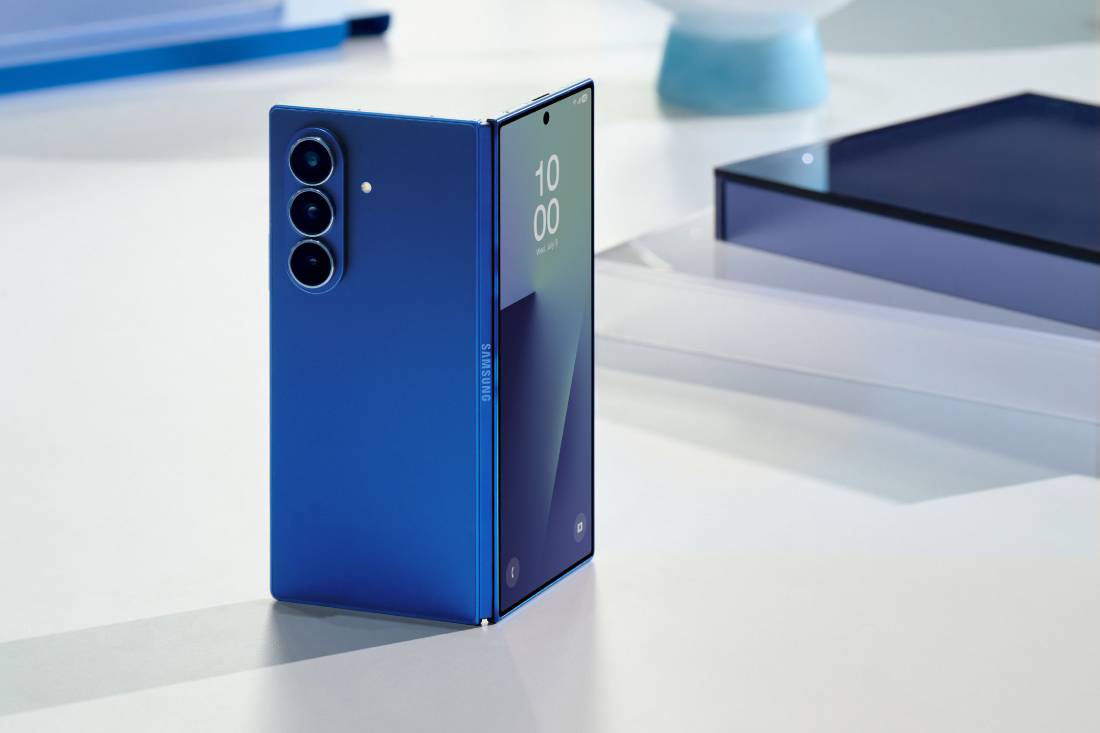
Foldable smartphones have emerged as one of the most intriguing innovations in mobile technology. These devices promise the best of both worlds: the portability of a phone with the expansive screen real estate of a tablet. Ever since the first modern foldables hit the market, tech enthusiasts have been buzzing about their potential. But are foldable phones just a trendy hype destined to fade, or are they a game-changing evolution that will redefine the future of mobile tech? This comprehensive look at foldable phones examines their origins, the technology behind them, their benefits and drawbacks, market trends, and whether they’re worth buying – giving you a balanced view from both angles.
The Evolution of Foldable Phones
Not long ago, the idea of a phone that could bend seemed like science fiction. Early concepts and prototypes of flexible displays circulated for years before the first commercial foldable phone appeared. In 2019, the original Samsung Galaxy Fold made headlines – both for its ambitious design and for the screen durability issues that temporarily halted its launch. This rocky start gave foldables a reputation of being futuristic but fragile. Despite the hiccups, it was clear that a new form factor had arrived.
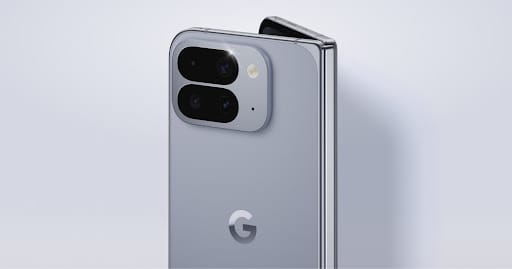
Fast-forward to today, and foldable phones have rapidly evolved. Major manufacturers are on multiple generations of their foldable lineups. Samsung has led the charge with its Galaxy Z series, refining the design year after year. By 2025, Samsung reached its seventh generation with the Galaxy Z Fold7 and Galaxy Z Flip7, each iteration bringing improvements in hinge technology, screen durability, and software optimization. Other players have joined in too – Google entered the arena with its own foldable, the Pixel 10 Pro Fold, signaling that foldable designs aren’t just a one-brand experiment but an industry-wide trend. Companies like Motorola (reviving the Razr Ultra 2025 as a modern foldable flip phone), Huawei, Oppo, and others have also released foldable models. In essence, what began as a niche experiment has blossomed into a competitive segment with multiple options for consumers.
How Do Foldable Phones Work?
Foldable phones differ fundamentally from traditional slab smartphones due to their flexible display and hinge mechanisms. Instead of a rigid glass screen, foldables use advanced flexible OLED panels that can bend in half without breaking. These panels are engineered with ultra-thin layers of plastic substrates and flexible glass (such as ultra-thin glass coatings) that allow bending while still displaying a sharp image. The screen is typically protected by a special polymer layer to withstand repeated folding.
Equally important is the hinge design. The hinge is a complex piece of engineering that lets the phone fold and unfold smoothly while holding the two halves firmly at various angles. Early hinges were prone to letting in dust or showing a prominent crease on the screen. Newer hinge designs have improved significantly – they use brush mechanisms or rubber seals to keep debris out and create a tighter fold with a less visible crease. Manufacturers have also worked to make hinges more durable, often advertising tested longevity (for example, some hinges are tested for hundreds of thousands of folds).
In terms of form factors, there are two main styles of foldables:
· Book-Style Folds: These devices, like Samsung’s Fold series or Google’s Pixel Fold, open on a vertical hinge like a book. When unfolded, they reveal a tablet-sized inner display (often around 7–8 inches). When closed, they usually have a usable front screen so you can operate them like a normal (albeit thick) phone.
· Clamshell Flips: These are modern takes on the flip phone of yesteryear. Devices like the Galaxy Z Flip or Motorola Razr fold on a horizontal hinge. When opened, they look and function like a normal full-size smartphone. When folded in half, they become an extremely compact, pocketable square. They often have a small cover display for notifications and quick tasks when closed.
Under the hood, foldables pack the same high-end processors, cameras, and batteries as other flagship phones – but arranged creatively to fit the folding design. The software is also customized to handle different modes (folded, unfolded, half-open for “flex mode”) and to enable multitasking on the larger screen.
Advantages of Foldable Phones
Foldable phones bring several compelling benefits that enthusiasts hail as game-changing. Here are some of the standout advantages:
- Tablet-Size Screen in Your Pocket: The most obvious benefit is the ability to carry a large display in a pocketable device. Unfold a book-style foldable, and you’ve got a mini-tablet for watching videos, playing games, or reading comfortably. This extra screen space can be a productivity and entertainment game-changer, enabling more immersive movie viewing, easier reading of documents, or more detailed map navigation than a tiny phone screen could offer. When you’re done, just fold it back up and slip it in your pocket.
- Multitasking and Productivity: Many foldables excel at running multiple apps side by side. On a big unfolded display, you can do true multitasking – for example, have your email open on one half of the screen while browsing the web or taking notes on the other. Power users and professionals appreciate this desktop-like ability to reference two things at once. Even the smaller clamshell-style foldables often support split-screen or a “flex mode” (where the device, half folded, can sit on a table like a mini laptop). This makes tasks like video conferencing, editing documents, or social media live streaming more convenient than on regular phones.
- Versatility and Convenience: Foldables adapt to your needs. They offer a 2-in-1 experience – a phone and a tablet combined. Instead of carrying a separate tablet for a bigger screen, a foldable lets you have one device that expands as needed. The clamshell foldables provide the opposite convenience: they make your phone smaller when you don’t need the full screen, easily fitting into small pockets or purses. This versatility means you get a large-screen experience when you want it and a compact phone when you need it.
- Innovative User Experiences: Foldables introduce new usage modes that standard phones can’t. For instance, in a half-folded position, some phones enable a “camera tripod” mode where the bottom half acts as a stand – great for hands-free video calls or selfies. The hinge can hold at various angles, turning the device into its own kickstand for watching content. The novelty and “cool factor” of these experiences can’t be denied – there’s a futuristic thrill in bending your phone in ways that would shatter a normal screen. For tech enthusiasts, owning a foldable is also about being at the cutting edge of innovation.
- Continuous Improvement: Each generation of foldable phones gets better, addressing past shortcomings. Screens are becoming brighter and more durable, hinges more robust, and software more refined for large displays. Manufacturers like Samsung have even started providing longer software support on their foldables to assure buyers of long-term value. The rapid pace of improvement suggests that many early concerns (like noticeable screen creases or fragile hinges) are being mitigated over time. This commitment by major tech companies indicates that foldables are more than a passing gimmick – they’re investing in making foldables a viable long-term category.
Drawbacks of Foldable Phones
On the flip side, skeptics point out several drawbacks and challenges that make foldable phones a potential hype bubble. It’s important to weigh these factors, as they explain why foldables haven’t yet taken over the market:
- Durability Concerns: By design, foldables are more complex and fragile than traditional smartphones. The flexible screen, with its moving parts and softer materials, is more prone to scratches, dents, or even creasing after long-term use. The hinge, while sturdily built, introduces a mechanical point of failure that slab phones don’t have. Early models infamously had issues with screens breaking or debris getting under the display. While current foldables are much tougher than their predecessors, they still tend to be more delicate. They often aren’t fully dust-proof (a grain of sand in the hinge can spell trouble), and long-term durability is still an open question despite lab testing. In short, you generally need to treat a foldable more gently than you would a standard metal-and-glass phone.
- High Price Tag: Foldable phones command a premium price, putting them out of reach for many consumers. The technology is cutting-edge and expensive to produce – those flexible OLED panels and precision hinges drive up costs. As a result, most foldables are priced significantly higher than even top-tier traditional phones. For example, a flagship slab phone might cost $1000, but a flagship foldable can run $1500–$2000 or more. Clamshell models are a bit cheaper but still usually above $1000 at launch. This means buyers are paying a big surcharge for the folding capability. For budget-conscious users (or anyone seeking the best value), it’s hard to justify the cost when a non-folding phone with similar specs can be had for much less.
- Extra Bulk and Weight: There’s no escaping physics – adding a hinge and a second screen half tends to make foldable devices bulkier and heavier. A book-style foldable, when folded, is roughly twice as thick as a normal phone. It can feel chunky in the pocket and heftier in the hand. Even the flip-style foldables, while compact when closed, are thicker than standard phones and sometimes a bit heavier due to hinge mechanisms. For users who prioritize a slim, lightweight phone, this is a notable drawback. The folded gap (on some models) and the weight distribution can also make them a bit awkward to use one-handed compared to ultra-slim phones.
- Battery Life and Technical Trade-offs: Foldables often have to split their battery into two parts (one in each half of the device), which can impose design constraints. While manufacturers do include large batteries, the power demands of a big unfolded screen can be high. Many foldable owners find that battery life is good but not great – the devices typically last a full day, but using the big screen extensively drains them faster. Additionally, features like camera quality sometimes have minor compromises due to space; for instance, some early foldables didn’t have the absolute best cameras because of thickness limits (though this is improving). Essentially, with current technology, you might not get every spec at the max level – some trade-offs are made to accommodate the folding form factor.
- Software and App Optimization: Another challenge is the software experience. Android (and other operating systems) have come a long way in adding support for resizable and folding screens. However, not all apps are optimized to take advantage of the unique screen sizes and aspect ratios of foldables. Some apps might not use the full screen when the device is opened, or they might not smoothly transition when you go from folded to unfolded. You might encounter apps that display with black bars or weird scaling on the square-ish tablet screen. This situation is improving as more developers adapt their apps for foldables, but it’s still a patchy experience – a limitation that can make the foldable feel less polished than a standard phone for certain applications. Software quirks and occasional bugs in the multi-window implementations can also detract from the seamless experience users expect.
- Repair Costs and Longevity: If something does go wrong with a foldable phone, repairs can be very expensive. Replacing a foldable’s flexible screen, for example, can cost significantly more than a normal phone screen repair. The complexity of the hinge and folding display means fewer third-party repair shops are willing to fix them, and often you must go through the manufacturer’s authorized service. This adds to the long-term ownership cost. Furthermore, questions remain about how these devices hold up after 2-3 years of heavy use – will the crease worsen, will the hinge loosen? Early adopters effectively become testers for long-term durability. Until foldables can truly match the proven longevity of traditional phones, many consumers will remain wary.
Market Adoption and Trends
Even with the mix of pros and cons, foldable phones have undeniably carved out a real segment in the smartphone market. Initially, foldables were a niche product aimed at enthusiasts, but year by year their presence is growing. Major tech companies are investing heavily in foldables, which suggests they see potential beyond a mere fad.
In terms of numbers, though, foldables are still only a small slice of total smartphone sales. Market research indicates that around 19–20 million foldable phones were expected to ship in 2025, accounting for roughly 1–2% of the overall smartphone market[1]. In other words, for every hundred smartphones sold, just one or two might be a foldable. This shows that while interest is rising, we’re not yet at the point where everyone is carrying a folding device. Most users continue to prefer the familiar slab-style phones, and foldables remain largely a high-end, early-adopter category[2].
That said, the trajectory is upward. The foldable phone market was valued at about $31.6 billion in 2024 and is projected to reach $74 billion by 2030, indicating strong growth. New models are attracting more buyers as technology improves. In fact, the latest generations have seen renewed momentum – for example, Samsung’s Galaxy Z Fold7 and Z Flip7 outperformed all earlier foldable models, suggesting consumers are more receptive as the tech matures[3]. Competitive pressure is also increasing. Samsung might have been the early leader (still holding the top market share in foldables), but companies like Huawei (in China) and Motorola, Xiaomi, Oppo, and Honor are rapidly expanding their foldable offerings[4]. This competition is driving innovation and gradually pushing prices down (though they’re still high). It’s also creating a wider variety of designs and price points – from ultra-premium flagships to some more “affordable” foldables and different sizes.
Another sign that foldables might be moving from hype to mainstream is the potential entry of Apple into the foldable arena. While Apple hasn’t released a foldable iPhone as of 2025, industry rumors and analyses point to a possible Apple foldable device in the next year or two. If Apple does launch a foldable, it could be a tipping point that brings foldable technology to a much larger audience, simply because of Apple’s market influence. Many experts believe Apple’s entry would validate the foldable form factor in the eyes of more consumers and likely spur even more interest and app support.
It’s worth noting also the role of consumer sentiment: part of the foldable “hype” is fueled by nostalgia and the quest for something different. The flip-phone style in particular taps into nostalgic vibes for the 90s/2000s flip phones, which has even attracted some Gen Z users looking for a break from slab phone monotony. On the other hand, skeptics remain – a portion of users and analysts view foldables as a stopgap innovation, a clever but short-lived experiment until something radically new (like rollable displays or AR glasses) takes over. As it stands, foldables are evolving from early showcases into a legitimate product category. The coming years will determine if they stay a relatively small niche or break out into the mainstream mobile market in a big way.
Hype vs. Game-Changer: The Big Debate
When weighing all the facts, we find two competing narratives about foldable phones:
- The “Just Hype” Camp: Critics argue that foldables, while cool, are more of a novelty than a necessity. They point out that a foldable phone doesn’t fundamentally change what you can do with a smartphone – it mostly just gives you a bigger screen or a fancy form factor. Many of the use cases (watching videos, multitasking) are things people were already doing with tablets or large regular phones. So, is this truly a revolution or just repackaging old capabilities in a new gadget? Detractors also highlight that sales, though growing, remain low compared to the broader market. This could imply that mainstream consumers aren’t convinced, perhaps due to the high prices and lingering concerns. There’s a historical caution here: tech history is littered with hyped innovations (think 3D TVs or modular phones) that never became widespread. Some skeptics even suggest foldables might be a transitional dead-end – a “last hurrah” of the era of glass rectangles before the industry shifts to entirely new paradigms (such as wearables, AR/VR or rollable displays). In this view, foldable phones could end up as a fascinating footnote rather than the future of smartphones.
- The “Real Game-Changer” Camp: On the other side, proponents believe foldables are genuinely game-changing for mobile tech. They argue that having a device which can dynamically change size does transform the user experience. For productivity-oriented users, being able to do more on a single device (without needing to switch to a laptop or tablet) is a leap forward. The engineering breakthroughs in flexible displays and hinges might also pave the way for all sorts of new devices (today it’s phones and perhaps tomorrow foldable or rollable tablets, laptops, or even wearable screens). Importantly, the investment by virtually all major smartphone brands indicates that this is more than a gimmick – companies are betting that foldables (or flexible display tech in general) will be a significant part of the future. Each year, foldables gain features that make them more practical (better durability, water resistance, improved battery life, etc.), addressing the early complaints. Enthusiasts also report that once you get used to the expanded screen and versatility, going back to a regular phone feels like a downgrade – in that sense, foldables can change your expectations of what a phone can do. They see foldables as the next evolution of the smartphone, keeping the industry innovative and offering consumers new value that flat phones simply can’t provide.
So, hype or game-changer? The reality in late 2025 is that foldable phones carry elements of both. They have brought genuine innovation to a market that was getting stagnant – after years of incrementally bigger screens and better cameras, foldables introduced a whole new form factor and use case. That’s a real paradigm shift in design. However, it’s also true that they haven’t (yet) transformed everyone’s daily life the way smartphones originally did. For many people, a foldable’s benefits don’t yet justify its drawbacks. In essence, foldables are game-changing technology that is still in search of a truly killer app or broader adoption to shake off the “just hype” label.
Should You Buy a Foldable Phone?
If you’re considering whether a foldable phone is right for you, it ultimately comes down to your priorities and curiosity for new tech. Here are some guidelines to help make your decision:
You might want to buy a foldable if... you love being on the cutting edge and your usage would truly benefit from a larger screen. Are you an avid multitasker, a professional who works on the go, or a movie buff who watches tons of content on your phone? Do you frequently wish your phone’s screen were just a bit bigger for comfortable use? If yes, a foldable could significantly enhance your mobile experience. The wow factor of the design and the ability to have a tablet in your pocket is unmatched. Foldables also make a statement – if having a device that stands out matters to you, they certainly draw attention and curiosity when you use them in public. Early adopters who enjoy novelty and innovation will likely find a lot to love despite the first-generation quirks that have been mostly ironed out by now. For example, productivity-minded users have found devices like the Galaxy Z Fold series transformative for working on email, documents, and video calls on the move (some even say it replaces their need for a small laptop). If these advantages speak to you and the high price isn’t a deal-breaker, a foldable phone can be a thrilling, fun, and useful gadget to own.
You might want to hold off if... you prioritize reliability, value, and a no-fuss experience. Perhaps you just need a phone that works flawlessly, fits easily in one hand, and you don’t want to worry about babying an expensive device. If so, the current foldables might not be the best fit. They still require some care (for instance, most come with warnings not to press the screen too hard or expose it to dust/water irresponsibly). Also, consider how much you’re willing to spend – for the price of one foldable, you could often buy a top-tier regular phone and maybe a tablet or second device. If you’re not convinced you absolutely need that folding capability, a high-end slab phone might serve you better and more economically. It’s also wise to wait if you’re unsure about the technology’s longevity. As with any new tech, foldables will continue to improve and possibly drop in price. Within a year or two, we might see even more durable designs or more competition that brings costs down. So, if you’re risk-averse or budget-conscious, there’s nothing wrong with sticking to a traditional phone for now and revisiting foldables in a generation or two when they’re even more refined.
Consider the form factor too: If you do decide to jump in, think about whether you want a large fold-out phone or a compact flip-style phone. A book-style foldable (like the Samsung Galaxy Z Fold7 or Google Pixel 10 Pro Fold) will give you that mini-tablet experience – great for productivity and media – while a clamshell Samsung Galaxy Z Flip7 appeals if you love the idea of a smaller phone that snaps open and closed, with a bit of nostalgia thrown in. Each has its own appeal and trade-offs (the larger Fold-style often has better cameras and more screen space, whereas the Flip-style is more pocketable and chic). Reading reviews and, if possible, trying out a demo unit in a store can help you decide which fits your lifestyle.
Conclusion: A New Chapter for Phones, But Not the Final Word
Foldable phones are without a doubt one of the biggest talking points in mobile tech today. They represent a new chapter – an exciting fusion of phone and tablet that seemed impossible just a decade ago. In that sense, they are game-changers: they’ve pushed manufacturers to innovate in display technology, mechanical design, and software adaptability. The result is devices that can do things ordinary phones simply cannot, potentially changing how we use our handheld devices for work and play.
However, the story isn’t finished. As of now, foldables remain a work in progress and something of a luxury. The hype surrounding them is partly justified (given the genuine innovation) and partly a reminder that not every cool idea becomes an instant mainstream hit. It’s a delicate balance – for some users foldables have already changed the game, for others they’re an expensive science experiment.
Looking ahead, the consensus is that foldable phones will continue to improve and likely stick around. We may well see them become thinner, cheaper, and tougher, addressing today’s criticisms. Perhaps in a few years, having a folding or expanding screen could be as normal as having multiple camera lenses on your phone is today. Or, alternatively, another technology (like rollable screens or advanced wearables) could leapfrog the foldable concept.
For now, if you’re intrigued by foldable phones, the good news is that they are no longer just a tech demo. They’re real products you can buy that deliver a unique and enjoyable experience – just go in with your eyes open about the compromises. Whether hype or revolution, foldables have undeniably injected fresh energy into the mobile industry. They invite us to imagine new possibilities for what our devices can do, and in that respect, they’ve already succeeded in changing the conversation about the future of smartphones.