
Jolla Phone: Europe’s Privacy-Focused Alternative to iPhone and Android
The Smartphone Duopoly and the Need for Alternatives
For over a decade, the global smartphone market has been dominated by two giants: Apple’s iOS and Google’s Android. Together, they control nearly 100% of the market, leaving little room for truly independent alternatives. In this landscape, smartphone makers effectively form an insular duopoly: iPhone users are tied into Apple’s closed ecosystem, and Android users rely on Google’s services and data collection. In recent years, concerns about privacy, data sovereignty, and corporate control have fueled interest in alternatives. European regulators and consumers, in particular, worry that their digital lives are managed by foreign tech companies. As one commentator notes, “Every Android phone, every iPhone — they all phone home to California”. This realization has sparked calls for a European smartphone platform that respects user privacy and data sovereignty[1].
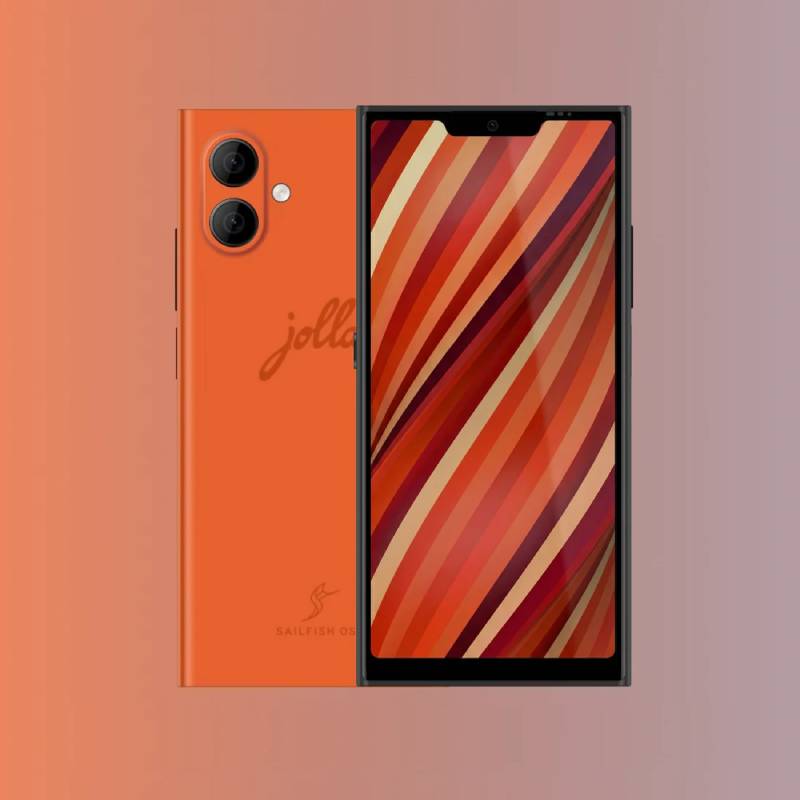
Jolla, a Finnish startup founded in 2011 by former Nokia engineers, has answered this call with its Jolla Phone. Running Sailfish OS – a Linux-based, community-developed mobile OS – the Jolla Phone positions itself as “Europe’s independent smartphone”. It promises a “privacy-first” experience with hardware and software designed to minimize tracking and maximize user control[2]. This article provides an in-depth look at the Jolla Phone, its Sailfish OS platform, and how it stacks up against iPhone and Android alternatives. We will cover the phone’s history, design, hardware features, privacy safeguards, software environment, and the broader context of European digital sovereignty. By the end, readers will have a comprehensive understanding of what makes the Jolla Phone unique—and whether it can truly challenge the iOS/Android status quo.
Jolla’s Heritage: From Nokia’s MeeGo to Sailfish OS
To understand the Jolla Phone, one must first know its lineage. In 2011, as Nokia abandoned its MeeGo project (a Linux-based OS co-developed with Intel), a group of Nokia veterans formed Jolla to continue the vision of an open, user-centric mobile platform. They took MeeGo’s codebase and built Sailfish OS, aiming to bring a privacy-respecting alternative to market. The original Jolla Phone debuted in 2013 as the first Sailfish device. Although modest in reach compared to iPhone and Android devices, Jolla kept Sailfish OS alive over the next decade through a small but dedicated community and regular software updates[3].
Jolla’s official site emphasizes this heritage: “Founded in 2011, we continue the legacy of Nokia and MeeGo, driving mobile innovation into the human-centric AI era”. It proudly touts Sailfish OS as “the only European mobile operating system” in the market[4]. Over the years, Jolla experimented with community phones (like the Jolla C2) and licensed Sailfish OS to other manufacturers (e.g. in China and India), but never again attempted a major phone launch – until now. The new Jolla Phone (announced late 2025) is effectively a revival of their original hardware ambitions, updated with modern specs and a laser focus on privacy[2].
This history explains much of the Jolla Phone’s ethos. It was born from the “ashes of Nokia’s MeeGo”, with the motto “Doing It Together” (DIT) highlighting community involvement. Jolla has weathered setbacks – for instance, a failed 2015 tablet crowdfunding campaign – but their persistence has resulted in an OS refined for privacy and longevity. As Yanko Design observes, “Jolla frames [the new phone] as Europe’s independent smartphone… about digital sovereignty and choice rather than nationalism”[1]. In other words, this device is as much a statement about European tech independence as it is a gadget.
Sailfish OS: A Linux-Based European Mobile Operating System
At the heart of the Jolla Phone is Sailfish OS 5, the latest version of Jolla’s proprietary mobile OS. Sailfish is fundamentally different from Android or iOS. It’s built on a Linux core (descended from MeeGo and Mer) with a Qt-based graphical shell. The user interface is heavily gesture-driven rather than button-based, and the design aesthetic follows a clean, Scandinavian style[4]. Sailfish OS is unique in that it combines open-source elements with a curated UI layer – Jolla maintains control over key components to ensure consistency. Still, it is much more “open” than typical consumer OSes: advanced users have access to a built-in terminal and root-level control.
Security and privacy are built into the Sailfish architecture. The OS fully encrypts user data and protects apps using sandboxing (via Firejail). Unlike Android, there are no pre-installed Google services, and connectivity is managed behind a built-in firewall with VPN support. Core system services run under systemd sandboxes, and even Bluetooth, network, and VPN can be centrally controlled by administrators. Jolla’s site emphasizes Sailfish as “a secure and privacy respecting mobile operating system” optimized for corporate and governmental use[5]. In practice, this means the OS only runs code that the user installs; it does not silently send usage analytics or personal data to any back-end by default. As Jolla marketing puts it, Sailfish was “designed not-to-call-home, unlike Android”[6].
Sailfish’s Linux heritage also means it inherits the strengths (and some trade-offs) of a desktop-grade OS. It supports native apps written in Qt, and developers can inspect and modify much of the code. There is a thriving community contributing to Sailfish OS via forums and repositories. This “people-powered” model (DIT – Doing It Together) fosters transparency: any programmer can audit the source, ensuring there are no hidden backdoors or unexpected tracking mechanisms. In fact, one overview highlights that Sailfish’s open nature “allows users to examine the source code, ensuring there are no hidden backdoors or data collection mechanisms”. This level of openness is simply not possible on iOS (closed-source) or standard Android (proprietary Google apps and services).
Another key aspect of Sailfish OS is its Android compatibility layer (AppSupport). Jolla developed a technology (sometimes referred to as Alien Dalvik) that lets Sailfish devices run many Android apps in a secure sandbox. This layer supports Android API level 33 and can sideload APKs, though without Google Play Services. The Linux-based Android runtime is isolated from the core OS, so apps can’t sneakily harvest data or tie into Google’s ecosystem. In short, Sailfish gives users freedom: they can install popular apps (for email, navigation, social media, etc.) while still avoiding the tracking that comes with Google’s official services. This design reflects the community-driven ethos: privacy by default, compatibility by choice.
Key Features of the Jolla Phone Hardware
The Jolla Phone’s physical design merges modern polish with old-school repairability. It has a flat-sided, “Scandinavian” look and comes with user-replaceable back covers in Nordic-inspired colors (Snow White, Kaamos Black, and The Orange). Most importantly, the back is removable, revealing a swappable battery. The Jolla Phone sports a large 5,500 mAh replaceable battery, a rarity in an era of sealed slabs[7]. This reflects Jolla’s philosophy of “owning your device instead of renting it” – users can replace an aging battery themselves or carry a spare for travel, extending the device’s lifespan far beyond typical smartphones.
Under the hood, the Jolla Phone packs upper-midrange internals. According to Jolla’s specifications (confirmed by press reports), it runs on a MediaTek 5G processor (unbranded in previews) paired with 12 GB of RAM and 256 GB of onboard storage. The storage is expandable via a microSD card slot (supporting up to 2 TB), which again underscores user control over hardware. On the front is a 6.36-inch Full HD+ AMOLED display (about 390 ppi) with Gorilla Glass protection. This puts it in line with many current smartphones (iPhone screens range from ~5.8″ to 6.7″, Androids commonly 6.2″ to 6.8″). The larger size and OLED panel mean vibrant colors and deep blacks, appealing to multimedia use.
Photography hardware is solid if not cutting-edge. The rear camera setup includes a 50 MP wide sensor and a 13 MP ultrawide sensor. There is also a front-facing camera (a “wide-lens selfie camera” reported by Liliputing) embedded in the display. Details on stabilization or aperture have not been highlighted in press, but the large sensor count suggests competent image quality for everyday use. The phone also features a power-key fingerprint sensor (side-mounted) and an RGB notification LED – touches that many modern flagships have omitted. Notably, the Jolla Phone still includes a 3.5 mm headphone jack, a feature lost on iPhone and many Android flagships, favoring user convenience and analog audio quality. It supports Wi-Fi 6, Bluetooth 5.4, NFC, dual nano-SIM cards, and obviously 4G/5G cellular for global roaming.
In short, the Jolla Phone’s hardware aims for practicality and repairability over cutting-edge benchmarks. It doesn’t chase the absolute fastest CPU or most advanced camera module; instead, it offers robust mid-range specs with unique advantages. Its user-replaceable battery and back cover, plus microSD expansion, address longevity and sustainability – qualities often sacrificed by mainstream designs. These choices also align with upcoming European regulations (e.g. EU ecodesign rules require phones to have removable batteries and parts available for years). Indeed, Jolla seems ahead of the curve: EU rules now mandate at least 5 years of OS updates, which Jolla has promised for Sailfish OS 5. Physically, the phone emphasizes user agency: from modular design to hardware privacy controls described below.
Sailfish OS 5 Software: Gestures and Android Compatibility
The Jolla Phone comes pre-loaded with Sailfish OS 5.0, the latest iteration of Jolla’s mobile platform. This version retains the OS’s signature gesture-based interface. There are no Android-like home or navigation buttons – instead, users swipe from edges to switch apps, invoke menus, or handle multitasking. This gesture-centric design can feel novel to Android or iPhone users, but it allows for a clean UI with fewer onscreen controls. Jolla promises the device will receive at least five years of updates without artificially expiring the phone, meeting both user expectations and forthcoming EU longevity rules (which also call for five-year update support). This means buyers can expect security patches and new Sailfish versions through roughly 2031.
Under the hood, Sailfish OS 5 provides a full Linux environment. Power users have terminal access to customize the system. More importantly for everyday use, Sailfish is a platform that supports Android apps via its AppSupport layer. This unique compatibility layer lets many Android apps run unmodified on Sailfish – including popular apps like WhatsApp, Telegram, and Firefox – albeit without Google Play Services. According to TechRadar, Jolla OS “still supports many Android apps,” though users must obtain them from third-party stores since Google Play is absent[8]. Indeed, reviewers note there is no Google Play, so apps can be sideloaded or fetched via alternatives like Aurora Store or the open repositories (OpenRepos) loved by the Sailfish community. A report from India Today highlights that “Sailfish contains ‘no trackers, no background data collection, and absolutely no Google Play Services lurking under the hood’,” underscoring the clean break from Google’s ecosystem. Users can also disable the Android runtime entirely if they choose, effectively running Sailfish as a pure Linux phone with only native apps.
By comparison, iOS does not natively run Android apps and strictly limits app sources to Apple’s App Store. Standard Android devices have Google Play and Google Mobile Services deeply integrated. The Jolla Phone sits in between: it bridges the familiarity of Android apps with the privacy of a non-Google OS. In practice, most mainstream apps (social media, productivity, navigation) can work via AppSupport, but some bank or streaming apps that rely on proprietary Google frameworks may not function. Jolla is banking on the open-source community to fill gaps: for example, the Jolla Store and OpenRepos offer native Sailfish alternatives for many use cases.
Sailfish’s design also emphasizes efficiency. Jolla claims that, compared to Android phones, Sailfish “network traffic is significantly lower” because the OS isn’t constantly syncing data in the background. This lean approach can improve battery life on the Jolla Phone – reviewers note its 5500 mAh pack easily lasts well over a day of moderate use, partly thanks to the minimal bloatware. Users retain full control over permissions, similar to iOS: apps ask explicitly before accessing the camera, mic, or location. As an added measure, the Jolla Phone includes a physical privacy switch (more on that next) to disable sensors system-wide.
Privacy and Security: Hardware and Software Safeguards
Privacy is the central selling point of the Jolla Phone – and it shows in both hardware and software. Sailfish OS 5 is designed around a “privacy-first” philosophy. By default it avoids background tracking: there are no hidden analytics, no spying processes, and no built-in ad networks. All data storage and processing is done locally on the device. The OS fully encrypts user data by default. In terms of permissions, Sailfish gives granular control: you choose exactly which apps can access your location, files, or contacts, similar to iOS’s model. Plus, the Linux foundation means advanced users can inspect security themselves, eliminating any “trust us” gap. As one overview puts it, Sailfish OS’s architecture ensures personal information “remains under your control, giving you peace of mind”.
On the hardware side, the Privacy Key is a standout feature. Physically located on the phone’s left side, this dedicated switch can instantly disable sensitive systems. In the default configuration, flicking it cuts power to the microphone and camera, so no app (or agent) can listen or record. Users can reconfigure the switch to disable Bluetooth, GPS, or even block all Android apps when flipped. (This provides a hardware break on spying that neither iPhone nor standard Android offers; their camera/mic toggles are purely software-based.) Jolla emphasizes this as “hardware-level security,” appealing to journalists, lawyers, executives – anyone handling sensitive information[3]. As TechRadar notes, the phone has a “privacy key” and a user-replaceable battery – two rarely seen features on modern phones[9].
Moreover, by design the Jolla Phone does not send data to any large cloud by default. There is no mandatory cloud backup like iCloud or Google Drive. Users can manually back up data, but it’s entirely optional. The phone runs a firewall and supports VPN out of the box (courtesy of the OS) to protect internet traffic. The Android compatibility layer itself is sandboxed: Android apps run in isolation and cannot pass data to Sailfish components without permission. Cybernews summarises the mantra well: “No tracking, no calling home, no hidden analytics… No Google Play Services siphoning your data”. In essence, the Jolla Phone forces you to be the data master.
By contrast, Android phones typically have many built-in trackers: Google’s own apps and services constantly log user data (location, usage patterns, ad preferences) unless the user takes steps to opt out. Many Android devices also run carrier or manufacturer bloatware that collects analytics. While newer Android versions have improved permission controls, privacy is still secondary to Google’s ad-driven model. iPhones, on the other hand, have a stronger privacy reputation: Apple collects less personal data and touts on-device processing for Siri. However, Apple still gathers some device and usage info (for product improvement) and enforces its own ecosystem rules. iOS does not have a hardware kill switch; the only way to cut off mic/cam is to disable them in Settings (software toggle). In short, both iOS and Android store some data in their respective clouds, whereas Sailfish/Sailfish Phone aims to keep data on-device unless you explicitly choose otherwise.
Finally, the Jolla Phone’s security model benefits from obscurity to some extent. Malware authors generally target the largest platforms (Android, iOS). Being a niche Linux phone, Jolla devices see almost no mainstream malware. The community can patch vulnerabilities independently, and the promised five-year update support means known issues will be fixed regularly. Together, these safeguards make the Jolla Phone arguably more privacy-focused and security-conscious than most off-the-shelf phones. Of course, no system is impenetrable – but for users worried about digital snooping, this phone is about as defensive as consumer hardware gets.
Comparing Jolla Phone with iPhone and Android
To fully appreciate the Jolla Phone’s niche, it helps to directly contrast it with Apple’s iPhone and mainstream Android devices. Here are some key comparisons:
- Operating System: The Jolla Phone runs Sailfish OS 5 (Linux-based, partly open-source). Android phones run Android (Linux-based, but tied to Google’s closed Play Services), and iPhones run iOS (a closed-source, Unix-derived OS). Sailfish is the only major OS not owned by a big US corporation. It has a gesture-driven UI and a community-driven development model. iOS uses a polished GUI with physical/digital buttons and tight App Store control; Android offers a familiar button/gesture mix with a customizable interface by manufacturers.
- App Ecosystem: iPhones access Apple’s App Store (millions of apps, but only those Apple approves). Android phones use Google Play (and various Android app stores) with comparable app variety. The Jolla Phone has a smaller native app store (Jolla Store / OpenRepos) but supports many Android apps via its compatibility layer. Critically, there is no Google Play on Jolla, so users must sideload apps or use third-party marketplaces. In practice, popular apps like messaging clients, email, and some social media can run on Sailfish, but niche or protected apps (banking, enterprise tools with Google dependencies) may be unavailable. In short, iPhone/Android lead in sheer app availability, whereas Jolla offers fewer apps but covers essentials through Android compatibility.
- Data Collection: Jolla Phone emphasizes no hidden tracking (“privacy by design”[3]). Sailfish OS does not harvest user data in the background; Google services are absent. Android devices, on the other hand, are deeply integrated with Google’s data ecosystem: search history, location, app usage, and many sensors feed Google’s servers (for ads, maps, voice recognition, etc.). Apple positions itself as privacy-friendly, limiting data collection and doing much processing on-device. However, even iPhones send some diagnostics to Apple and rely on cloud features (iCloud) that hold personal data. A succinct summary is that iOS and Android both collect user data (to different extents), whereas the Jolla Phone defaults to data containment[10].
- Privacy Controls: All three platforms allow per-app permission controls, but only the Jolla Phone provides a hardware kill switch. On an iPhone or Android, if you disable mic/camera in Settings, that’s software-based (malware could potentially override it). Jolla’s physical switch cuts power or signals to those components at the circuit level (or at least at a system level), which is a unique safeguard. In everyday use, this means the Jolla Phone can guarantee silence when you flip the switch – a feature not found on mainstream phones.
- Updates and Support: iPhones are famous for longevity: Apple typically supports its devices with iOS updates for ~5–7 years. Standard Android flagships get about 3–4 years of OS/security updates from the manufacturer (some vendors now promise 5 years on their latest models). The Jolla Phone commits to 5 years of Sailfish updates, aligning with new EU rules. While Apple’s 7-year support is ahead of Jolla’s promise, Android is mostly behind. Moreover, Jolla’s community-driven model means updates won’t be cut off by corporate strategy (no “forced obsolescence”).
- Hardware and Repairability: Most iPhones and many Android flagships (Samsung Galaxy, Google Pixel, etc.) have glued-in batteries and no microSD slot. In contrast, the Jolla Phone has a replaceable battery and a user-swappable back for repairing or customizing. It even has an easily replaceable back cover (users can swap colors or service parts). iPhones lack any user-replaceable parts (batteries replaced only by Apple technicians), and very few modern Androids allow it. The Jolla’s approach echoes old-fashioned modularity, which the company argues extends the device life and reduces waste. (EU regulations will soon require repair-friendly designs, so Jolla is ahead on this front as well.)
- Performance and Price: With a mid-range SoC and 12 GB RAM, the Jolla Phone’s raw speed is solid but not flagship-level. In benchmarks it will likely trail high-end iPhones or top Androids. However, it also costs less: early supporters pay around €499, with a target retail of €599–699, positioning it in the upper-midrange segment. iPhones (latest models) typically start above €800, and top Android flagships can be €1000+. So the Jolla is more affordable, but with trade-offs (smaller marketing, hardware extremes, and app availability).
In summary, Jolla Phone = privacy + openness + sustainability, while iPhone = polished integration + premium hardware and Android = wide app choice + flexibility (with heavy Google integration). Each has strengths: iPhones excel at mainstream polish and long-term support; Android phones dominate app ecosystem and variety; the Jolla Phone leads in privacy guarantees, control, and repair-friendly design. For a user who values data sovereignty and customization over sheer performance, the Jolla Phone offers a compelling alternative to the usual choices[3].
The App Ecosystem and Usability: Bridging the Gap
A critical question for any phone is: What can it do for me day-to-day? The Jolla Phone handles calls, messaging, web browsing, and social apps as any other. Sailfish OS includes a full-featured email client, calendar, contacts, and a minimalist web browser. It also has a unique Android app compatibility layer that covers much of the ground. Many essential apps (Telegram, WhatsApp, Signal, Spotify, etc.) can be installed by downloading their Android APKs or using alternative app stores. The Jolla community has also ported popular services to Sailfish: for example, Nina, a voice assistant; Navigator, a maps app (with offline maps); and Notes, Toggl, and KeePassXC for productivity and security. The native Jolla Store and community OpenRepos host hundreds of apps and utilities made by enthusiasts.
However, there are gaps. Some mainstream apps – notably banking apps or DRM-protected media apps – may refuse to run without Google’s services or may have compatibility issues. For these, users can fall back on web versions through the browser, or a few alternative apps. Moreover, users cannot install iOS apps at all, and high-end Android games that require Google Play Games or SafetyNet checks won’t work. In practice, this limits the Jolla Phone’s appeal for users who rely on niche services. Tech blogs like Liliputing note that many Android app trials “worked” on Jolla, but some did not (e.g. Google Drive worked only in a browser). The phone can get on some streaming services (e.g. Netflix can run via a third-party patch) but it’s not guaranteed out-of-the-box. For most daily needs, though, Sailfish’s Android layer covers a lot.
By comparison, iPhone users benefit from the vast Apple App Store ecosystem with strict quality control. Android users have the even larger Play Store (plus sideloading on many devices). The Jolla Phone takes a middle path: not as many apps as the big platforms, but with the most popular ones covered through compatibility. Its UI also differs: instead of an app grid, Sailfish uses a cards-style multitasking view and app shortcuts on the home screen. Some users may find this fresh and efficient; others may miss the familiarity of iOS/Android home screens. There is a learning curve, but online reviewers generally call the Sailfish UI intuitive once you get used to it.
One advantage the Jolla Phone has is data efficiency. Without background sync of dozens of Google and Apple services, battery life and network usage can be better. The phone lasts easily two days on a charge under average use, thanks partly to Sailfish’s minimalism. Users who prioritize battery longevity often praise this (and the large 5500 mAh cell). Additionally, all installed apps run with minimal bloat: no vendor skins or unwanted apps come preloaded. The phone feels “clean” and distraction-free.
Ultimately, switching to a Jolla Phone requires trade-offs. It excels at privacy and customization, but you’ll need to be comfortable with occasional workarounds for apps. Tech-savvy or privacy-minded users can handle this – even some reviews say “one hardly needs more than the Jolla Phone”. For those wedded to certain apps (e.g. banking or home automation apps that only exist on iOS/Android), the Jolla Phone may not fully replace their current device. But it can serve as a daily driver for many core tasks, especially if supplemented with web apps or community solutions. The built-in Android support helps bridge the gap, though it is important to remember it is not a full Google-certified experience. Users interested in leaving the mainstream might find it well worth the adjustment.
Crowdfunding, Community and the European Launch
The Jolla Phone is not a mass-market release – it’s being funded and shaped through community support. In late 2025, Jolla opened pre-orders (essentially pledges) for the new phone. A €99 deposit reserves a spot; early backers pay a total of €499 for the first units. Once production begins, the final retail price is expected to be €599–€699 – competitive for a 5G phone with 12GB/256GB. However, the project requires at least 2,000 deposits to proceed. This is the “Do It Together” (DIT) model: Jolla will manufacture the phone only if the community funds it. The good news is the campaign exceeded its goal quickly – within days well over 2,000 units were pledged. This shows there is genuine interest, likely from tech enthusiasts and privacy advocates, enough to greenlight production.
This pre-order approach helps Jolla manage risk – no large upfront investment until the market is proven. It echoes crowdfunding campaigns of other alternative phones (Librem 5, PinePhone, etc.) and even Jolla’s own 2013 launch. It also engages the community in the product’s fate. For example, Jolla polled its forum members on specs (screen size, battery capacity, etc.) and designed the phone accordingly. Pre-order customers even get special perks, like a unique back cover. Essentially, early adopters become co-creators.
The campaign so far suggests Europe as the primary market. Jolla has emphasized that initial shipments will target European customers. This focus makes sense given the phone’s positioning as a European device – but it also means those outside Europe must rely on importers or wait for a wider rollout. Shipping is expected by mid-2026 (first half of 2026). Jolla has also committed to fully refundable deposits if the threshold isn’t met or if buyers change their mind. These safeguards build trust in what could otherwise be a risky purchase (for a small company producing hardware).
Compared to big brands, Jolla’s community-centric approach is unique. Instead of traditional marketing, the phone’s promotion rides on word-of-mouth and niche media coverage. X (Twitter) posts from Jolla and tech journalists helped spread the news. Tech blogs and privacy forums are buzzing. In fact, when pre-orders opened, they sold out rapidly, with Cybernews noting the initial batch at €499 sold out in under 48 hours. It’s a promising sign for viability. But Jolla still faces challenges: reaching 2,000 is one thing, but scaling beyond that requires broader consumer awareness (and app ecosystem expansion).
Even so, the DIT model exemplifies the phone’s philosophy: user empowerment and community trust. Everyone buying it has a stake in its success, and Jolla explicitly says the venture is about building products that deserve to exist, not chasing quarterly targets. For prospective buyers, this means being part of a movement for alternative tech. But it also means accepting the pace of a small project. Early adopters should expect ongoing community involvement, occasional DIY fixes, and a different customer support model than a global corporation. For many privacy advocates, that’s a feature, not a bug – the trade-off for an option outside the mainstream.
Europe’s Push for Digital Sovereignty
The Jolla Phone’s European roots tie into a bigger trend: the EU’s push for digital sovereignty. European policymakers have long grown wary of US (and to a lesser extent Chinese) dominance in critical technologies. Initiatives like Gaia-X (for cloud infrastructure) and strict GDPR data rules reflect this. However, as Jolla’s leaders point out, data privacy laws mean little if hardware and platforms are still foreign-controlled. The underlying issue is that most smartphones, apps, and digital services are headquartered in California or Beijing. This is what Jolla CEO emphasized on social media: “GDPR promised European digital sovereignty. But what good are data protection laws when your entire digital life runs on American infrastructure?”.
In response, a handful of European projects have tried to create homegrown alternatives. For mobile OS and hardware, this includes /e/OS (France), Volla OS (Germany), and devices like Fairphone (Netherlands) and Shiftphone (Germany). Sailfish OS (Finland) is among the oldest of these efforts, and the new Jolla Phone is the latest instantiation. A blog summary notes: “European companies… are actively working to provide alternative mobile ecosystems that respect privacy, encourage open-source development, and reduce dependence on U.S. tech giants”. Key motivations include GDPR compliance, data transparency, and strategic autonomy.
The Jolla Phone explicitly frames itself as part of this movement. The company’s marketing points out that allowing only US/Chinese platforms keeps Europe “perpetually dependent on US and China infrastructure”[1]. By offering a phone designed and maintained in Europe, Jolla appeals to both consumers and possibly even government/commercial buyers who require “trusted technology.” Indeed, Sailfish OS is already used in some enterprise and government deployments (it has had special licensing deals in the past). If the Jolla Phone achieves modest success, it could open doors for more “privacy-first” European tech.
It’s worth noting that the phone industry is global – Jolla still sources chips (MediaTek), screens, and components from international suppliers. The processor, for instance, is a Taiwanese MediaTek chip. So this isn’t about a completely European supply chain. But software and design being European-led is symbolic. It sends a message that not all mobile innovation must come from Silicon Valley or Shenzhen. European authorities have expressed support for strengthening local tech, and the Jolla Phone may attract attention as a tangible example of “digital sovereignty.” For the average user, this might not matter day-to-day, but for policymakers it’s a morale boost.
European Regulatory Context (Sidebar)
In mid-2025, the EU rolled out new ecodesign rules for smartphones and tablets. These include requirements for durability, repairability, and battery longevity. Specifically, phones must have batteries capable of 800 charge cycles at 80% capacity, spare parts available for 7 years, and OS support for at least 5 years. The Jolla Phone already meets or exceeds many of these benchmarks: its battery is user-replaceable (guaranteeing at least 800 cycles in practice), spare covers are user-swappable, and Jolla promises 5-year software updates. In effect, Jolla was ahead of these regulations by designing a fully repairable phone with long support. This places it well within Europe’s new standards for sustainable electronics.
Challenges and Limitations of the Jolla Phone
No discussion would be complete without acknowledging the trade-offs and challenges. The Jolla Phone is a niche product in a tough market. The recent history of mobile Linux efforts (Ubuntu Touch, FirePhone, Windows Phone, etc.) is full of well-intentioned launches that failed to gain traction. Several key limitations should be noted:
- App Availability: Despite Android compatibility, many users find critical apps missing. For example, banking apps often use Google Play Services or SafetyNet (not available on Jolla) and refuse to run. Similarly, streaming apps like Netflix or banking apps may be inaccessible. The Jolla community hopes to implement workarounds (like microG for Play Services or web versions), but these require user initiative. In short, while many Android apps run, not all do. Users must be prepared for some gaps or alternative solutions.
- Ecosystem and Services: The Jolla Phone lacks a unified ecosystem like Apple’s. There is no cloud backup service, no unified store for buying music/videos, and no proprietary assistant (Sailfish has a community voice assistant, but no “Hey Siri” equivalent built-in). Power users can replace these with open tools, but mainstream consumers might miss the convenience of things like iCloud or Google One. Also, mobile payment integration is limited (no Google Pay or Apple Pay support), as the secure element and certification ecosystem are different.
- Performance and Features: The MediaTek chip is competent but not bleeding-edge. Benchmarks will lag behind flagship Snapdragons or Apple’s chips. The camera system, while decent on paper (50MP/13MP), may not match the image processing of high-end phones. High-end features like ultra-fast charging, water resistance rating, or wireless charging may be absent or lower-tier. In fact, technical details on IP ratings or charging speeds have not been highlighted. This phone is not about having every premium feature; it’s about the essentials plus privacy. Users who demand the absolute fastest performance or the most camera innovation will not choose the Jolla Phone over, say, an iPhone 17 or Galaxy S series.
- Company Viability: Jolla is a small firm. It went through bankruptcy in 2024 and had to restructure[11]. Its success hinges on the community and a relatively modest sales volume. While the current pre-order success is encouraging, any misstep in delivery or quality could be hard to recover from. There is also the uncertainty of long-term support: if Jolla’s fortunes falter, Sailfish OS updates could slow down (though the open-source community could help). Compared to Apple or Google with huge R&D budgets, Jolla has limited resources. Buyers must be prepared to be patient and possibly contribute to bug reports or community forums.
- Consumer Perception and Marketing: The phone’s look (squareish, no notch, plastic back) and size might not appeal to everyone. It feels unusual compared to sleek iPhones or curved OLED flagships. Consumer marketing is almost non-existent beyond tech blogs, so average buyers may not even know it exists. Convincing someone to switch from a familiar brand is a tall order. In surveys, most people prioritize app availability and brand trust – areas where Jolla is weakest.
Despite these challenges, many early reactions blend excitement with realism. Privacy forums and Linux phone enthusiasts have hailed the Jolla Phone as the “best Linux phone so far,” yet they caution it won’t dethrone iOS/Android any time soon. The trade-offs – app gaps, learning new UI, smaller support network – are balanced by significant gains in control and independence. For its ideal user, the Jolla Phone is not a compromise but a liberation from data-hungry ecosystems.
Future Outlook and Potential Impact
Looking ahead, the Jolla Phone represents a bold experiment. If it finds a foothold, it could encourage more innovation in privacy-focused devices. Even if it remains a niche player, its existence has ripple effects. Tech observers note that “Jolla’s decade-long survival in a cutthroat market demonstrates resilience”. By officially selling a privacy-centric phone in 2026, Jolla may pressure the big companies to up their own game (just as encrypted messaging apps forced WhatsApp to introduce E2E encryption). For European industry, it signals that regulation-supportive design (e.g. repairability) is viable.
Competitors and complements will watch closely. Other open-source phone efforts (Purism Librem, Pine64 PinePhone, /e/OS Fairphone) might learn from Jolla’s approach, combining community spirit with viable hardware. There are rumors of more European startups in the pipeline, possibly with different approaches (e.g. Android forks by European telcos, or government-backed standards). The Jolla Phone’s success or failure could influence investor interest.
In enterprise or government, the Jolla Phone could find special niches. Sectors like defense, healthcare, or finance (with strict data controls) might adopt a phone that guarantees no foreign cloud tethering. Jolla’s existing partnerships (e.g. with carmakers for infotainment) suggest they could try selling phones as secure corporate devices.
On the consumer front, the phone could start a “privacy conscience” trend. Even if only a fraction of buyers opt in, it could normalize asking “who controls my data?” Similar to how the mid-2000s saw Linux phones (Nokia N9) only as cult devices, the Jolla Phone may remain subcultural. But culture shifts begin small. Greater public awareness of data issues (thanks to scandals like Cambridge Analytica, or new EU streaming laws) might make more people curious.
Finally, the Sailfish OS itself could benefit from broader exposure. If the Jolla Phone sells thousands of units, that might attract more developers to write native Sailfish apps or port existing ones. Jolla even plans incentives for app creation, aiming to build a more robust ecosystem over time. In 5–10 years, we might see a genuine “people-powered” mobile OS ecosystem around Sailfish. Whether it stays a niche or grows depends on continued community engagement and some luck in the highly competitive smartphone market.
Conclusion
The Jolla Phone is not a casual purchase; it’s a statement. It says: “I care who looks at my data and who makes my phone.” This Europe-designed smartphone delivers a level of privacy and user control rarely seen in mainstream devices. Its privacy-by-design approach – from the Android-free Sailfish OS and no-data-collection policy, to the hardware kill switch and user-replaceable parts – marks it as a standout against the iPhone/Android norm.
For a security-conscious user tired of being part of “the cloud rent,” Jolla offers a credible alternative. It combines familiar features (5G, high-res display, Android app access) with unique perks (no Google, no trackers, modular hardware). It’s not the fastest or the most popular phone, but it tackles the growing demand for digital independence. As one tech reporter put it, it’s a “stubbornly optimistic alternative” that treats privacy, longevity, and independence as design constraints, not afterthoughts.
Still, this phone will not replace the mainstream duopoly overnight. Early adopters should be ready for some compromises: fewer apps, a learning curve, and buying into a small-company ecosystem. But for those who make the leap, the Jolla Phone can finally answer the question: What if my phone cared about my privacy more than its maker’s profits? In today’s world of ubiquitous surveillance, that might be an answer worth exploring.
Thank you for reading!
Explore in-depth, side-by-side comparisons of the latest phones (and plenty more tech) at ChoiceWise.app. Whether you’re hunting for performance, battery life, camera quality, or iron-clad privacy.